Dietary Fiber: Just the Figures
Dietary Fiber: the whole thing in five minutes, for when you want the numbers and nothing else.
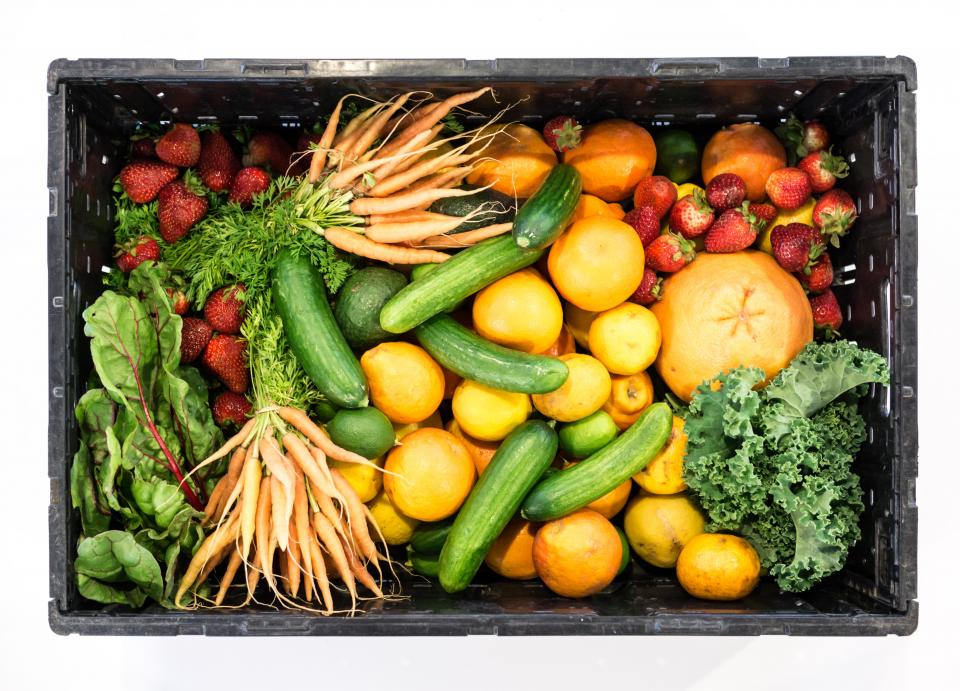
The parts of plant food the small intestine cannot digest, which pass through to the colon.
Key takeaways
- Guideline basis: 14 g per 1,000 calories eaten
- Women 19-50: about 25-28 g a day
- Most useful single change: Swap white bread, rice and pasta for whole-grain versions of the same meal.
- Commonest mistake: Doubling your intake in one day, which reliably causes bloating and gas.
- See a doctor if any of the signs under "When to speak to a doctor" below apply to you.
The numbers, in one place
| Measure | Figure |
|---|---|
| Guideline basis | 14 g per 1,000 calories eaten |
| Women 19-50 | about 25-28 g a day |
| Men 19-50 | about 31-34 g a day |
| Daily Value on food labels | 28 g |
| Richest everyday sources | beans, peas and lentils, whole grains, vegetables, fruit, nuts |
In one paragraph
Higher intakes are linked to lower rates of heart disease, type 2 diabetes and colorectal cancer, yet more than 90 percent of women and 97 percent of men in the US fall short of the recommendation.
Worth doing
- Swap white bread, rice and pasta for whole-grain versions of the same meal
- Leave the skins on potatoes, apples, pears and carrots
- Keep canned beans, chickpeas and lentils in the pantry
- Add fiber gradually over a few weeks and drink more fluid as you do, since fiber works by holding water
Worth avoiding
- Doubling your intake in one day, which reliably causes bloating and gas
- Fiber supplements when food can do the job more cheaply
- Assuming "multigrain" means whole grain; check that the first ingredient says whole
Related topics
- Cooking with Pulses: What the Evidence Actually Says (Healthy Recipes)
- Gut Health and Immunity: What the Evidence Actually Says (Immunity)
- Bloating: Sorting the Evidence From the Noise (Digestive Health)
- Carbohydrates and Blood Glucose: Sorting the Evidence From the Noise (Diabetes)
Where to go next
- The Evidence on Dietary Fiber, Without the Hype
- Dietary Fiber, Explained Without the Jargon
- Dietary Fiber — the reference entry
- Nutrition: The Complete Guide
- Dietary Protein: What the Evidence Actually Says
- The Evidence on Dietary Salt, Without the Hype
When to speak to a doctor
See your doctor rather than adding fiber if you have a change in bowel habits lasting three weeks or more, blood in your stool, unexplained weight loss or ongoing abdominal pain, and take advice from your own care team if you have inflammatory bowel disease or a known stricture. Call 911 for severe abdominal pain with vomiting, a swollen belly and no bowel movements or gas.
Where this comes from
- Dietary Guidelines for Americans — Dietary Guidelines for Americans, 2020-2025
- MedlinePlus — Dietary fiber
How this page was put together
Every figure, recommendation and warning above is taken from the guidance named in Where this comes from. Nothing on this page is inferred, summarized or generalized beyond what those bodies publish: where they give a number, it is their number, and where they are silent, so are we. Pages are rebuilt whenever the underlying record changes. Sign-off by a named clinician, where it has happened, is shown at the top of the page along with the date.
Medical disclaimer
This article is general information, not medical advice. It cannot account for your own history, medication or circumstances. Always speak to your doctor, pharmacist or another qualified health professional before making changes that affect your treatment, and never delay seeking medical advice because of something you have read here. In an emergency, call 911.
Spotted something wrong? Report an error on this page. We correct on the page and say what changed.


