The Evidence on Whole Grains, Without the Hype
They carry most of a grain's fiber and micronutrients, and higher intakes are linked to lower heart disease and type 2 diabetes risk.
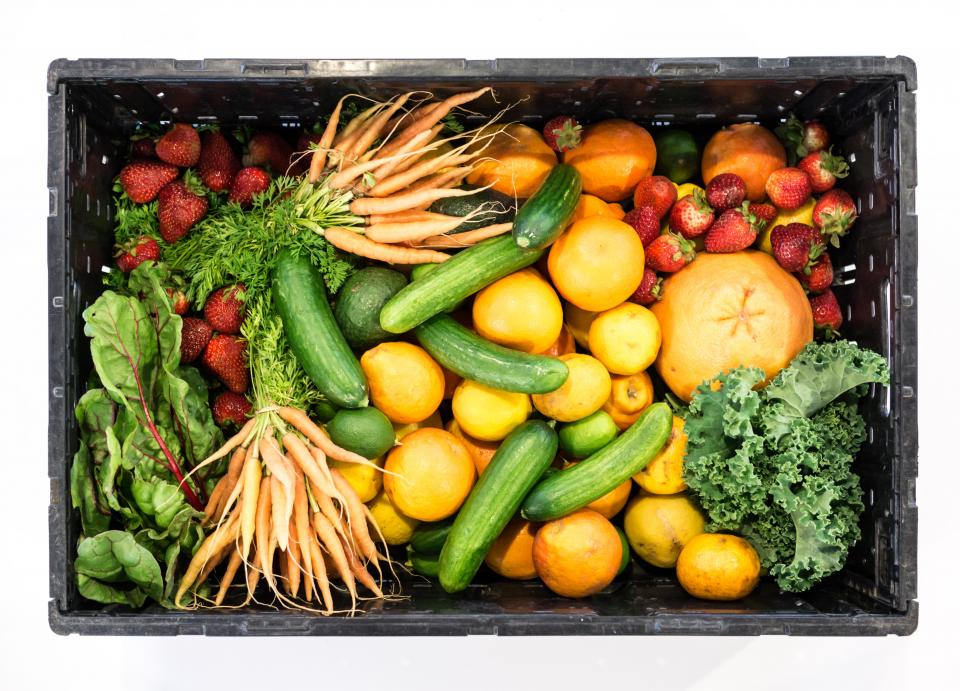
Key takeaways
- Dietary Guidelines advice: make at least half your grains whole grains
- Grains at 2,000 calories: 6 ounce-equivalents a day, at least 3 whole
- Most useful single change: Swap the version of a food you already eat rather than adding new ones.
- Commonest mistake: Trusting a brown color, which can come from caramel coloring or molasses.
- See a doctor if any of the signs under "When to speak to a doctor" below apply to you.
What it is
Grains that keep the bran, germ and endosperm, such as whole-wheat flour, oats, brown rice and barley. It sits within Nutrition. What follows are the published numbers, not the ones that get passed around.
The numbers, in one place
| Measure | Figure |
|---|---|
| Dietary Guidelines advice | make at least half your grains whole grains |
| Grains at 2,000 calories | 6 ounce-equivalents a day, at least 3 whole |
| One ounce-equivalent | 1 slice of bread, 1/2 cup cooked rice, pasta or oatmeal, or 1 cup ready-to-eat cereal |
| Oat beta-glucan in the FDA health claim | 3 g a day |
| Label check | the first ingredient should say whole |
What helps
These are worth doing. None of them needs to happen all at once.
- Swap the version of a food you already eat rather than adding new ones
- Try whole-wheat pasta and brown rice mixed half and half at first
- Keep oats in the pantry as one of the cheapest whole-grain breakfasts there is
- Choose bread where whole-wheat flour is the first ingredient
What to avoid
Things that seem reasonable and are not.
- Trusting a brown color, which can come from caramel coloring or molasses
- Assuming "made with whole grain" means mostly whole grain
- Cutting grains out entirely rather than switching the type
In depth
Every grain kernel has three parts. The bran is the fiber-rich outer layer, carrying B vitamins, minerals and antioxidants. The germ is the small embryo that would sprout into a new plant, rich in healthy fats, vitamin E and B vitamins. The endosperm is the large starchy center that feeds the seedling. A whole grain keeps all three. Refining removes the bran and germ to make white flour and white rice, which keep longer and have a softer texture but lose most of the fiber and many nutrients.
In the US, most refined grain products are enriched, meaning some of the B vitamins and iron lost in milling are added back, and folic acid is added too. Enrichment has helped prevent certain birth defects. It does not, however, replace the fiber, magnesium, vitamin E and many other compounds lost with the bran and germ. That is why the Dietary Guidelines advise making at least half of your grains whole rather than cutting grains out altogether.
Whole grains are digested more slowly than refined grains, partly because the bran and fiber physically slow access to the starch. That tends to produce a gentler rise in blood glucose and helps you feel full for longer. Some whole grains also have specific benefits: the soluble fiber beta-glucan in oats and barley helps lower LDL cholesterol, which is why the FDA allows a health claim for these foods when they supply enough beta-glucan.
Signs and symptoms
- Constipation and low fiber intake
- Feeling hungry again soon after meals built on white bread, rice or pasta
- Diet heavy in refined grains with few beans, vegetables or fruit
- Bloating, diarrhea or weight loss after eating wheat, barley or rye, which needs medical assessment
Causes and risk factors
- Habit and taste preference for white bread, rice and pasta
- Confusing labels such as "multigrain," "wheat" or "made with whole grain"
- Belief that whole grains take too long to cook
- Cost or limited availability of whole-grain versions in some stores
- Low-carbohydrate diets that remove grains entirely
- Celiac disease or wheat allergy, which narrow the range of grains you can eat
How it is checked
Whole-grain intake is not measured by any test. To check your own, look at the grain foods you eat in a typical day and see whether at least half are whole. On the label, look for "whole" in the first ingredient, such as whole wheat, whole oats or brown rice, or for a whole-grain stamp from an industry group, while remembering that the stamp is voluntary.
If grains seem to cause symptoms, your doctor may test for celiac disease with a blood test, and sometimes a biopsy taken during an upper endoscopy. These tests only work while you are still eating gluten, so do not remove it from your diet before you have been tested. Wheat allergy is diagnosed separately, usually by an allergist.
Treatment and support options
Make simple swaps
Swap white bread for 100% whole-wheat bread, white rice for brown rice, and regular pasta for whole-wheat or mixed pasta. Choose cereals that list a whole grain first and are lower in added sugars. If the taste or texture is unfamiliar, mix half and half at first and shift the balance over a few weeks. Swaps within meals you already enjoy tend to last longer than new recipes.
Explore other whole grains
Beyond wheat and rice, try oats, barley, bulgur, quinoa, farro, buckwheat, millet, wild rice and popcorn. Many cook in 15 to 20 minutes, and bulgur and quick oats cook even faster. Cook a large batch on the weekend and store it in the refrigerator or freezer; it reheats quickly in a microwave and works in salads, soups, bowls and side dishes. A rice cooker or pressure cooker makes it easier still.
Gluten-free whole grains
If you have celiac disease, you must avoid wheat, barley and rye, but you can still eat whole grains such as brown rice, quinoa, buckwheat, millet, amaranth, sorghum, corn and oats labeled gluten-free. Many gluten-free breads and pastas are made from refined starches, so check for whole grains on the ingredients list. A dietitian experienced in celiac disease can help you plan a balanced diet.
Watch what comes with them
Whole-grain products are not automatically healthy. Some whole-grain cereals, granolas, crackers and snack bars are high in added sugars, sodium or saturated fat. Compare the Nutrition Facts label as well as the ingredients list, and remember that toppings such as butter, syrup or cream sauces can outweigh the benefits of the grain itself. Choose plain versions and add your own fruit, nuts or seasoning so you control what goes in.
Prevention
- Make at least half your grains whole
- Read the first ingredient rather than the front of the package
- Keep oats, brown rice and whole-wheat pasta in the pantry
- Cook grains in batches and freeze portions
- Choose popcorn or whole-grain crackers for snacks
Day to day
Switching to whole grains is mostly about changing defaults. Once you have found a whole-grain bread, cereal and pasta that you and your family like, buy them as standard. Brown rice and whole-wheat pasta keep well, and cooked grains freeze well in portions. A pot of oatmeal or overnight oats makes an inexpensive breakfast that is easy to vary with fruit, nuts or yogurt.
If you have celiac disease, living with it means strict avoidance of gluten for life, including watching for cross-contact in kitchens and restaurants. Look for products labeled gluten-free, which in the US must meet an FDA standard. Building meals around naturally gluten-free whole grains, beans, vegetables, fruit and protein foods keeps your diet varied and rich in fiber.
For specific groups
Children
Children can enjoy whole grains from when they start solid foods. Oatmeal, whole-grain cereals, whole-wheat toast and brown rice suit young eaters. Introduce them gradually alongside familiar foods and offer plenty of fluids. Whole-grain choices in school meals are increasingly common.
People with diabetes
Whole grains still contain carbohydrate, so they count toward your total, but they tend to raise blood glucose more gently than refined grains. Portion size matters. Your diabetes care team or a dietitian can help you fit whole grains into your meal plan.
Celiac disease and gluten sensitivity
Celiac disease is an autoimmune condition that damages the small intestine when gluten is eaten, so strict avoidance is required. Some people without celiac disease report symptoms from wheat; the cause is less clear, and testing for celiac disease should come first. Removing gluten before testing can hide the diagnosis.
Questions to ask your doctor
- Should I be tested for celiac disease before changing my diet?
- Are my digestive symptoms likely to be related to grains?
- How should whole grains fit into my diabetes meal plan?
- Would a dietitian help me plan a gluten-free diet?
- Could I have a wheat allergy rather than celiac disease?
More questions, answered
Is wheat bread the same as whole-wheat bread?
No. Bread labeled "wheat" may be made mostly from refined wheat flour. Look for "100% whole wheat" or check that the first ingredient is whole-wheat flour. Color is not a reliable guide, since caramel coloring or molasses can make refined bread look brown.
Are instant oats still a whole grain?
Yes. Instant, quick, rolled and steel-cut oats are all whole grains; they differ in how finely they are cut and how long they cook. Instant flavored packets often contain added sugars, so plain oats with your own fruit are usually the better choice.
Do whole grains cause inflammation?
For most people, no. Research generally links whole grains to lower markers of inflammation and lower risk of chronic disease. People with celiac disease have an immune reaction to gluten, which is a different matter and needs medical diagnosis. If you think grains affect you, talk to your doctor before cutting them out.
Is white rice bad for you?
White rice is a refined grain but can fit in a healthy diet, especially paired with vegetables, beans and protein. Many enriched white rice products have added B vitamins and iron. Mixing in some brown rice or other whole grains increases fiber.
Is popcorn really a whole grain?
Yes. Popcorn is a whole grain and a good source of fiber. Air-popped or lightly oiled popcorn is a filling snack. Many microwave and movie theater versions are high in saturated fat and sodium, so check labels or make your own.
Are sprouted grains better?
Sprouted grains are whole grains that have begun to germinate. Some people find them easier to digest, and sprouting may slightly change nutrient levels, but evidence for major health advantages is limited. They contain gluten if made from wheat, barley or rye.
Related topics
- Carbohydrates and Blood Glucose: Sorting the Evidence From the Noise (Diabetes)
- Snacking: What Published Guidance Supports (Healthy Recipes)
- Reading the Nutrition Facts Label: What the Evidence Actually Says (Food Safety)
- Diet and Eye Health: Sorting the Evidence From the Noise (Eye Health)
Where to go next
- Understanding Whole Grains: A Plain-English Explainer
- Whole Grains: The Practical To-Do List
- Whole Grains — the reference entry
- Nutrition: The Complete Guide
- The Evidence on Food Labels, Without the Hype
- What the Guidance Really Says About Meal Planning
When to speak to a doctor
People with celiac disease must avoid wheat, barley and rye and should choose oats labeled gluten-free. See your doctor for persistent bloating, diarrhea or weight loss after eating grains, which should be tested for celiac disease before you remove gluten from your diet. Call 911 for signs of a severe allergic reaction after eating, such as trouble breathing or swelling of the throat.
Where this comes from
- Dietary Guidelines for Americans — Dietary Guidelines for Americans, 2020-2025
- National Institute of Diabetes and Digestive and Kidney Diseases — Eating, Diet, and Nutrition for Celiac Disease
How this page was put together
Every figure, recommendation and warning above is taken from the guidance named in Where this comes from. Nothing on this page is inferred, summarized or generalized beyond what those bodies publish: where they give a number, it is their number, and where they are silent, so are we. Pages are rebuilt whenever the underlying record changes. Sign-off by a named clinician, where it has happened, is shown at the top of the page along with the date.
Medical disclaimer
This article is general information, not medical advice. It cannot account for your own history, medication or circumstances. Always speak to your doctor, pharmacist or another qualified health professional before making changes that affect your treatment, and never delay seeking medical advice because of something you have read here. In an emergency, call 911.
Spotted something wrong? Report an error on this page. We correct on the page and say what changed.


