When to Go to the ER: A Beginner-Friendly Start
When to Go to the ER: the few things that matter most, and the mistakes that catch people out early.

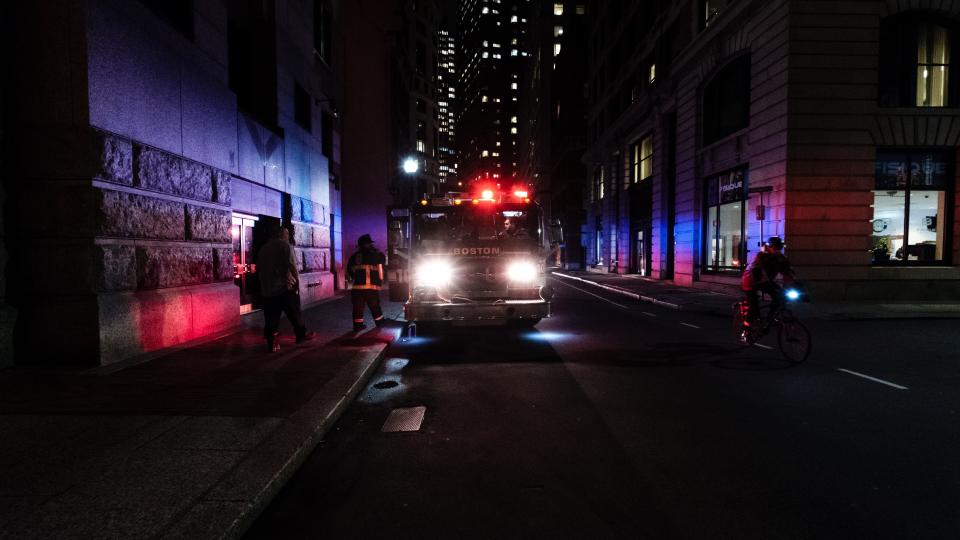
The hospital emergency room (emergency department), open around the clock for serious injury and illness.
Key takeaways
- What it is for: chest pain, trouble breathing, heavy bleeding, loss of consciousness, signs of stroke, severe injury
- Order of treatment: by medical need (triage), not by arrival time
- Most useful single change: Call 911 rather than driving yourself if someone may be having a heart attack or stroke.
- Commonest mistake: Going for prescription refills, work notes or long-standing problems.
- See a doctor if any of the signs under "When to speak to a doctor" below apply to you.
Why bother
It is the right place for emergencies and usually the slowest and most expensive place for everything else.
Start here
These two first. Everything else is easier once they are habit.
- Call 911 rather than driving yourself if someone may be having a heart attack or stroke
- For urgent problems that are not life-threatening, call your doctor's office or nurse line first
Then add these
Once the first two are automatic, these are worth adding.
- Take a list of your medicines, or the bottles themselves, and your insurance card
- Tell the triage nurse clearly what the worst symptom is, not the whole history
The numbers, in one place
| Measure | Figure |
|---|---|
| What it is for | chest pain, trouble breathing, heavy bleeding, loss of consciousness, signs of stroke, severe injury |
| Order of treatment | by medical need (triage), not by arrival time |
| Your rights | ERs must screen and stabilize anyone with an emergency, regardless of ability to pay |
| Surprise bills | federal law protects you from most surprise out-of-network bills for emergency care |
| Alternatives | your doctor's office, a nurse line, telehealth, urgent care or a pharmacist |
Common early mistakes
- Going for prescription refills, work notes or long-standing problems
- Driving yourself if you feel faint or have chest pain
- Eating or drinking before you have been assessed, in case you need surgery
Related topics
- Choosing the Right Care: What Published Guidance Supports (Preventive Care)
- Surprise Medical Bills: Sorting the Evidence From the Noise (Health Insurance and Costs)
- Recognizing an Emergency: What Published Guidance Supports (Emergency Care)
- Sexual Health Services: What Published Guidance Supports (Sexual Health)
Where to go next
- When to Go to the ER: What to Do, in Order
- When to Go to the ER: Separating Myth From Guidance
- When to Go to the ER — the reference entry
- Using Health Services: The Complete Guide
- The Evidence on Using a Nurse Line or Urgent Care, Without the Hype
- Having an MRI Scan: What Published Guidance Supports
When to speak to a doctor
Call 911 immediately for chest pain or pressure, sudden weakness or drooping on one side, difficulty speaking, severe breathlessness, heavy bleeding that will not stop, or someone who is unresponsive. Do not wait to see whether it passes. Follow up with your own doctor after any ER visit.
Where this comes from
- American College of Emergency Physicians — Know When to Go
- MedlinePlus — When to use the emergency room - adult
- CMS — No Surprises Act
How this page was put together
Every figure, recommendation and warning above is taken from the guidance named in Where this comes from. Nothing on this page is inferred, summarized or generalized beyond what those bodies publish: where they give a number, it is their number, and where they are silent, so are we. Pages are rebuilt whenever the underlying record changes. Sign-off by a named clinician, where it has happened, is shown at the top of the page along with the date.
Medical disclaimer
This article is general information, not medical advice. It cannot account for your own history, medication or circumstances. Always speak to your doctor, pharmacist or another qualified health professional before making changes that affect your treatment, and never delay seeking medical advice because of something you have read here. In an emergency, call 911.
Spotted something wrong? Report an error on this page. We correct on the page and say what changed.