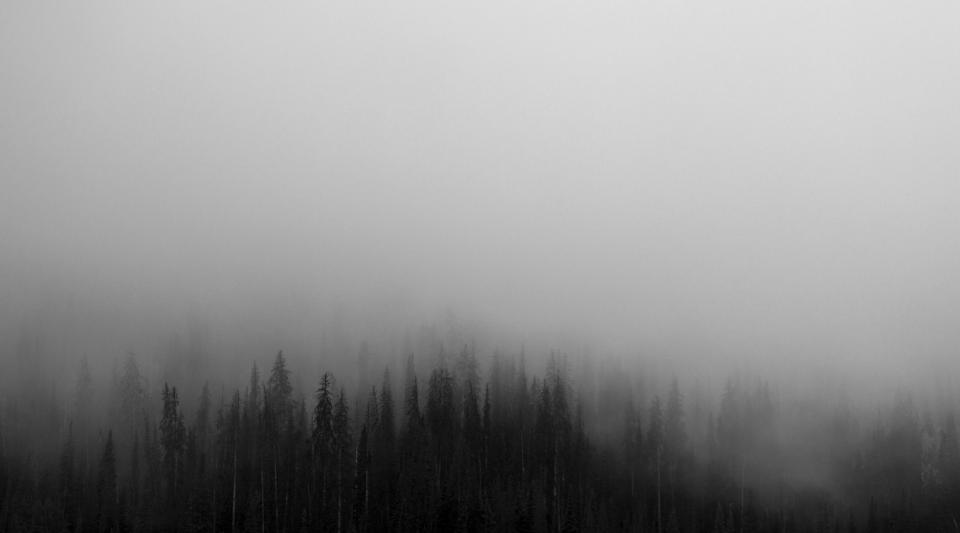
Starting Out With Wildfire Smoke
Wildfire Smoke: the few things that matter most, and the mistakes that catch people out early.

Smoke from wildfires, which contains fine particles (PM2.5) that can travel hundreds of miles and harm the lungs and heart.
Key takeaways
- Air Quality Index: check daily at AirNow.gov; higher numbers mean more pollution
- AQI 101-150: unhealthy for sensitive groups
- Most useful single change: Check AirNow.gov or the AirNow app when smoke is in your area.
- Commonest mistake: Exercising outdoors when air quality is unhealthy.
- See a doctor if any of the signs under "When to speak to a doctor" below apply to you.
Why bother
Smoke can make air unhealthy far from a fire, and it hits people with heart or lung disease, children, older adults and pregnant people hardest.
Start here
Just these two to begin with. The rest can wait.
- Check AirNow.gov or the AirNow app when smoke is in your area
- Stay indoors with windows and doors closed, and set air conditioning to recirculate
Then add these
When those have settled in, these are worth adding.
- Create a clean room with a portable air cleaner or a do-it-yourself box fan filter
- Have a plan and extra medicines ready if you have asthma, COPD or heart disease
The numbers, in one place
| Measure | Figure |
|---|---|
| Air Quality Index | check daily at AirNow.gov; higher numbers mean more pollution |
| AQI 101-150 | unhealthy for sensitive groups |
| AQI 151-200 | unhealthy; anyone may start to feel health effects |
| Masks | a well-fitted N95 respirator can reduce exposure; cloth and surgical masks offer little protection from smoke |
| Indoors | a portable air cleaner with a HEPA filter can lower indoor smoke levels |
Common early mistakes
- Exercising outdoors when air quality is unhealthy
- Frying food, burning candles, smoking or vacuuming indoors on smoky days
- Relying on a dust mask or bandana for protection
Related topics
- What the Guidance Really Says About Air Pollution and the AQI (Environmental Health)
- Air Quality: What the Evidence Actually Says (Respiratory Health)
- COVID-19: What the Evidence Actually Says (Infectious Diseases)
- Smoke Alarms and Fire Safety: What the Evidence Actually Says (Injury Prevention)
Where to go next
- Wildfire Smoke: Separating Myth From Guidance
- Answers to the Common Questions on Wildfire Smoke
- Wildfire Smoke — the reference entry
- Weather Safety: The Complete Guide
- Hurricane Preparedness and Emergency Kits: Sorting the Evidence From the Noise
- Carbon Monoxide During Power Outages: What the Evidence Actually Says
When to speak to a doctor
Call your doctor if smoke makes asthma, COPD or heart symptoms worse. Call 911 for chest pain, severe shortness of breath or trouble breathing.
Where this comes from
- AirNow — Wildfire Smoke Guide for Public Health Officials
- EPA — Wildfire Smoke and Your Patients' Health
- CDC — Wildfire Smoke
How this page was put together
Every figure, recommendation and warning above is taken from the guidance named in Where this comes from. Nothing on this page is inferred, summarized or generalized beyond what those bodies publish: where they give a number, it is their number, and where they are silent, so are we. Pages are rebuilt whenever the underlying record changes. Sign-off by a named clinician, where it has happened, is shown at the top of the page along with the date.
Medical disclaimer
This article is general information, not medical advice. It cannot account for your own history, medication or circumstances. Always speak to your doctor, pharmacist or another qualified health professional before making changes that affect your treatment, and never delay seeking medical advice because of something you have read here. In an emergency, call 911.
Spotted something wrong? Report an error on this page. We correct on the page and say what changed.